Cleaning with Hydrogen Peroxide

Hydrogen peroxide dates as far back as 1818, when French chemist, Louis Jacques Thenard, discovered the compound and labeled it as “oxygenized water.” Since then, hydrogen peroxide has become a useful chemical compound used in various industry sectors such as manufacturing and technology, as well as medical and dental applications. Its broad range of uses includes the treatment of waste water, fuel additive for rockets, and as a whitener and brightener for your hair and teeth.
Hydrogen peroxide - also referred to as H2O2 – is simply a combination of water and oxygen. It is not only an extremely effective multi-purpose cleaner, but has become a favorite choice among many residential cleaning businesses for its “environmental friendliness.” Manufacturers, recognizing the growing interest in less toxic and “greener” products have flooded the markets with oxygenated cleaners. And the response has been very positive.
Why should you clean with hydrogen peroxide?
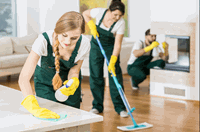
Oxygenated cleaners provide a safer, environmentally conscious, less volatile product for cleaning customer's homes, and can replace many of the other traditional cleaners normally required to clean the countless surfaces and fixtures found in the home. HydrOxi Pro, a hydrogen peroxide cleaner, for example, can be used throughout the house, cleaning most surfaces such as windows, mirrors, walls, floors, bathrooms, shower rooms, tile, grout, and carpets using just two different dilutions to satisfy all general cleaning needs.
But do proceed with caution when using any type of cleaner, including oxygenated cleaners. It all begins with the proper training of your cleaning technicians on the correct uses and dilution ratios. More is not always better when it comes to cleaning chemicals and improper usage or heavy dilutions can definitely cause problems. Begin by familiarizing cleaning technicians on the products Safety Data Sheet (SDS).
According to OSHA (Occupational Safety and Health Administration); “The SDS includes information such as the properties of each chemical; the physical, health, and environmental health hazards; protective measures; and safety precautions for handling, storing, and transporting the chemical. The information contained in the SDS must be in English (although it may be in other languages as well).”
By reducing the number of cleaners the technician has to use and select from, the lower the cost of training for the cleaning business owner, less chance of damage due to improper usage of a cleaner, and the safer, more productive the work environment for the cleaner.
Hydrogen peroxide products are considered today to be the elite option because of their ability to effectively break down stains from the molecular level. Unlike most toxic cleaners, oxygen cleaners are more environmentally desirable because there is less of an impact on the environment. Why? When the hydrogen peroxide dissipates, what's left behind is simply water and oxygen. Its non-toxic characteristics make it an extremely popular choice when cleaning kitchen counter tops, food preparation areas, appliances, or pretty much any area or surface where food and dishes are stored.
Stains and soil that are protein/organic-based in nature, such as wine, mustard, grass, blood, and urine (it's great as a deodorizer too) can in most cases be easily removed from most types of surfaces and fabrics with a hydrogen peroxide based cleaner. How? Hydrogen peroxide combines with the oxygen molecule to bring the protein/soil to the surface, where it is then wiped or rinsed clean.
However, petroleum-based stains, such as gum and oils still present a challenge for oxygen cleaners. And depending on the pH level of the cleaner, may not work on hard floors, since it could damage the sealant of the surface.
Oxygen cleaners are readily available in pre-diluted formulas which are ready to use as multipurpose, multi-surface cleaners, as well as degreasers and stain removers. Moreover, it's also available in concentrates, which the end user can dilute to suite the application and function needed.
In the past, cleaning companies had an arsenal of different types of cleaners and cleaning products, each specific to a particular task. Unfortunately, many of these cleaners contained harmful and toxic chemicals and were not particularly environmentally friendly. Today, with the popularity of the environmental movement and focus on clean and healthy living, cleaning companies and consumers alike, now have a viable alternative with oxygenated cleaners.
 |
EBOOK and WEBINAR DOWNLOAD - Green Cleaning for Residential Cleaning Companies Do you want to offer green cleaning services to your customers, but don't know where to begin? Green cleaning is more than using a few chemicals that are labeled "green" or "safe for the environment". Rather, it is a whole process that looks at how a home is cleaned, what equipment and supplies are used and how those products impact the environment, and providing the proper training to employees. |