Types of Cleaning Chemicals That Will Not Damage Surfaces

Residential cleaning business owners face many challenges, and among them is choosing the right cleaning chemicals. With the wide range of different surfaces to be cleaned, picking the right cleaning chemical can be tough.
Years ago, most homes had similar surfaces. You used to only choose between things like Formica counter-tops, glass or wood tabletops, and linoleum or carpet on the floors. Today, however, there are countless different surfaces.
Common surfaces can include Corian, granite, marble, travertine, porcelain, chrome, stainless steel, and the list goes on and on. If you and your cleaning technicians are not careful, you could easily damage these surfaces by using the wrong cleaning chemicals.
In many cases, your company could be responsible for a damaged surface in your client's home or business. Beyond paying for damages of repairs and replacement costs, you also risk losing the customer.
In addition to that, the surfaces that are more prone to damage tend to be expensive. For these reasons, it is critical to know what chemical to use on what surface. In this post, you'll learn types of cleaning chemicals that won't damage surfaces, and what cleaning chemicals are safe.
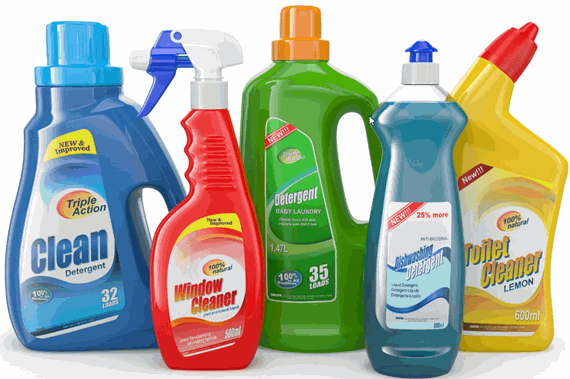
Natural cleaning chemicals and damaging surfaces
Besides the cleaning chemicals available from manufacturers, many home cleaning companies also use “homemade cleaning remedies”. The rise in the use of these cleaning chemicals is likely due to everyone looking to go “green” and save money.
However, you need to cautious when using these natural cleaners. These natural cleaning chemicals can work well to clean, but can also lead to unwanted damage.
Take vinegar, for example, it is a great product that many also use for cleaning. The reason why vinegar cleans so well is that it is very acidic. You may not notice it right away, but over time, the acid can damage the surfaces you are cleaning.
For example, using vinegar on hardwood can damage its finish. The wood may look clean at first, but eventually, you will start to notice the damage.
Vinegar is also very harmful to natural stones like marble, granite, and travertine. The acid in the vinegar will etch the surface of natural stones. If it is a shiny surface, it will be obvious right away, but if not, damage can become apparent over time. It may be less noticeable on a honed floor, but the damage is there nevertheless. For these reasons, you want to be careful of using natural cleaners for your house cleaning business as the damaged property may cost you your customers.
Common household cleaning chemicals that could damage surfaces
Another thing to understand is that even if a cleaning product is well known, that doesn't mean it can't damage surfaces. For example, cleaners such as Ajax and Comet are common household names that have the potential to cause damage.
Although they are well-known and very efficient cleaners you still need to be careful because of their abrasiveness. They may work great at removing stains and build-up in sinks, but you need to be careful of what kind of sink you are cleaning. If you happen to be cleaning a porcelain sink, the abrasiveness could permanently scratch the surface.
These scratches may not be noticeable at first, but when you scratch the surface, the dirt, soap residue, and other soils collect in the scratches. Over time, this can make the porcelain appear stained or discolored.
Be sure to pay attention to the directions on all cleaning products because even popular brands can cause harm if used on the wrong surfaces.
Pay attention to how you use acidic cleaning chemicals
Besides abrasive cleaners, like Ajax and Comet, acidic cleaning products also pose a potential problem. For example, most toilet bowl cleaners can be helpful for tough-to-clean stains in toilets, but many are highly acidic.
You must use extreme caution when using these types of products. For example, if you were to accidentally drop a spot of acidic toilet bowl cleaner on your client's carpet, it will bleach the color right out.
Some acidic cleaners, like toilet bowl cleaners, will also damage other floor surfaces as well, such as stone, wood and vinyl. Just because a cleaning chemical can get out stains effectively on one type of surface, doesn't mean it should be used on any kind of surface.
Always remember to use extreme caution when using strong acidic cleaners of any kind. They are corrosive and are poisonous and can cause injuries if in direct contact or by strong fumes. Also, if one cleaning chemical works well, don't try and mix it with another to try and improve its cleaning performance. NEVER mix any cleaning chemicals and always follow the manufacturers' labels and warnings as mixtures can cause surface damage and even be lethal.
Use the correct dilution ratios for cleaning chemicals to prevent damage
In addition to using the wrong cleaners on the wrong surfaces, overuse, and improper measuring, incorrect dilution ratios can also cause damage. Overuse of cleaning chemicals can damage a surface over time, and using too much can leave the surface sticky with residue. This sticky residue can act as a dirt magnet and will require additional cleaning in the near future. Also, using too little of a cleaning chemical will not clean and remove soil as efficiently as it should.
When choosing cleaning chemicals for your house cleaning business, be sure to follow the manufacturer's recommendations and application rates. Using the right cleaning chemical in the wrong way can lead to undesirable results. Test new cleaning chemicals for effectiveness and possible surface damage if you are unsure. The internet and a cleaning chemical manufacturer's website is a great place to research.
You can find a lot of useful information on the surfaces you need to clean and what cleaning chemicals are safe to use. For example, you can find recommendations for cleaning hardwood floors on our site.
Many manufacturers of specific surfaces also have cleaning recommendations on their websites. The information usually includes care tips and cautions on what NOT to use on these surfaces. If you are not sure what a surface is, be sure to ask the homeowner so you can make an educated decision, before damage occurs.
The pH scale and cleaning chemicals
Experts recommend using a pH neutral chemical for daily and routine cleaning. The pH level of a chemical indicates whether a cleaner is acid or alkaline.
The pH scale is set up so that a cleaner that is neither acid nor alkaline (in other words, neutral), is given a value of seven. Anything below a seven is acid and anything above seven is considered alkaline. The lower the pH number, the stronger the acid. The higher the pH number, the stronger the alkaline. For example, aluminum surfaces are sensitive to acids and strong alkaline solutions. Strong acid solutions can damage porcelain, glass, and stone such as marble and terrazzo surfaces. Some solvents will destroy sensitive plastics as well.
A pH neutral cleaner is the safest for all surfaces since it is neither acid nor alkaline. However, this does not mean acidic or alkaline cleaners are not sometimes necessary to clean surfaces. Chemicals like toilet bowl cleaners and de-limers, such as Lime Away, are acidic cleaning chemicals. These cleaners are often necessary to remove mineral deposits and calcifications from surfaces.
Likewise, degreasers or floor strippers are alkaline, which dissolve fats, including grease, oils, and protein-based substances. A general rule of thumb is to use the least strong acid or alkaline and use them in accordance with the manufacturer's directions.
Remove dirt from surfaces first before using cleaning chemicals
Another practical rule of thumb when cleaning surfaces is to try and remove as much dirt and soil prior to using cleaning chemicals. Often we see people try and remove stains and grime with cleaning chemicals alone. When cleaning chemicals have to work through several layers of dirt and grime in addition to stains they often become less effective. This could cause you to use more cleaning chemicals than necessary or the wrong chemicals, which could damage surfaces.
It is best to remove as much of the soil as possible while it is dry and then use cleaning chemicals as the second step of your cleaning process. On hard floors, for example, this means a thorough sweeping or vacuuming. On carpet or upholstery, thorough vacuuming is necessary prior to use of cleaning chemicals.
The same holds true for all surfaces. Remove as much of the loose dirt, dust, crumbs, or whatever soil is present first. If you do this, your cleaning will be easier and more effective. If you don't follow this process, you end up mixing the cleaner with all the loose soil, turning it into “sludge”. It is far easier to remove dirt and soil when a surface is dry than when it is wet. In addition, excess soil can act as an abrasive, actually damaging the surface you are trying to clean.
Make sure to clean all surfaces first without cleaning chemicals to avoid damage and to improve your results.
Using soil to determine what type of cleaning chemical to use
There are two major factors involved in selecting the right cleaning product. These factors are the type of soil and the type of surface. The first step is knowing the type of soil that needs to be cleaned. If you don't know what a surface is stained with, it can lead you to choose a cleaning chemical that doesn't clean the stain. A detailed understanding of the type of soil will be necessary for selecting the effective cleaner.
The selection of a cleaner will be dependent on whether the soil is organic or inorganic, soluble or insoluble. For example, hard water deposits are inorganic and usually require an acidic solution to remove them. Greasy soils are organic and are usually removable with an alkaline detergent cleaner.
While knowing what soil needs to be cleaned is important, it is only half the battle. If you use the right cleaning chemical for the right soil, but use it on the wrong surface, it can still cause damage.
The type of surface will determine the type of cleaning chemicals to use
Once you know what soil needs to be dealt with, you must determine the surface it needs to be cleaned from. Observe the surfaces that your customer wants to keep clean. An average home cleaning includes a variety of surfaces such as walls, floors, kitchen countertops, toilet bowls, fixtures, mirrors, sinks, etc. Each of these unique surfaces can require a different cleaning chemical.
Is the surface rough or smooth, easy or difficult to clean? Observe the physical aspects of the surface as well. Is the floor tile rough with a texture that will trap soil, or is it smooth?
Are the metals solid and smooth, and easily cleaned, or do the metal parts have crevices that may be difficult to penetrate. These surfaces may require additional agitation and a different cleaning chemical. The type of surface will also affect agitation, temperature, and rinse factors.
What is the composition of the surface? Is it ceramic tile, stone, linoleum, concrete, plastic, or fiberglass? Is the surface painted or unpainted, glass, stainless steel, aluminum, or brass? Knowing the composition of the surface will greatly influence the product or program you use.
For example, some products may pit, scratch, discolor or be too harsh on some surfaces, while a heavy-duty alkaline cleaner is required to remove baked-on soils. When you know the soil involved, the surface you are cleaning, and follow the manufacturer's directions, what you clean will typically be safe from damage.
Killing bacteria with disinfecting and sanitizing cleaning chemicals
Disinfectant cleaners and antimicrobial cleaners contain elements for removing soil from surfaces and contain antimicrobial elements that kill germs. The ingredients in antimicrobial products would include pine oil, quaternary ammonium, sodium hypochlorite, phenols, and ethanol.
Disinfectants and antibacterial cleaning products will kill a variety of harmful bacteria (depending on active ingredients and product label information). Some of these bacteria include Staphylococcus (causes skin infection), Salmonella and E.coli (causes intestinal illness), the fungus responsible for athlete's foot, and Herpes simplex (virus), Rhinovirus (the leading cause of the common cold), and Rotavirus (foremost cause of diarrhea in children). Always check the manufacturer's product label for germ-killing specifications.
Product labels that state disinfectant, antibacterial or sanitizer and the EPA registration number will help to certify that the product has met EPA requirements for killing germs.
If you are providing disinfecting and sanitizing services as a part of your house cleaning business, make sure you use cleaning chemicals appropriately.
Antibacterial cleaning chemicals and soaps
As a part of your disinfecting services, and even in your general cleaning, you should be using antibacterial cleaning chemicals. Antibacterial soap contains special ingredients that help to control germs. Washing your hands regularly with common hand soap is always a good idea and will help to reduce germs. However, using antibacterial soaps can help keep germs at bay even longer.
These antibacterial cleaning chemicals will leave a small number of ingredients on the skin beyond when you first wash your hands. These cleaning chemicals will help keep the number of germs at a substantially reduced level for prolonged periods, inhibiting regrowth.
Antibacterial soaps will help to eliminate bacteria causing odors, infections, intestinal issues, and other transmittable diseases. The good news is that there are a considerable number of antibacterial cleaning products available to consumers today. Half of all soap in the U.S. contains antibacterial ingredients and can help to alleviate the chance of contracting and spreading germs.
Enzymatic cleaners and biodegradable cleaning chemicals
Enzymatic cleaners refer to a specific type of biodegradable, non-toxic cleaning agent. Likely when you hear about green cleaning or natural cleaning chemicals they are enzymatic in nature. Their cleaning uses range from carpets, to laundry, to personal items such as contact lenses. Enzymatic cleaners break down stains, soil, and other debris using natural enzymes.
Many laundry detergents will contain enzymes. Detergents that contain this enzyme formulation contend to remove such stains as blood, grass, and sweat more easily than those without. Each detergent will contain differing amounts of enzymes and these enzyme impregnated detergents will clean stains faster than most regular chemical cleaners.
Another benefit to cleaning stains faster is that these enzymatic cleaning chemicals work in lower temperatures. This can help you save on each load of laundry as you won't need to heat the water used in cleaning.
Common types of cleaning chemicals and their uses
Below are some examples of common surface cleaning chemicals/products and where they are commonly used:
- Lemon Oil: Used to condition wood furniture and surfaces (contains petroleum distillate).
- Dish Soap: Used for washing dishes and as a window cleaning solution.
- All-Purpose Cleaner: Used for general cleaning of countertops, tubs, garbage cans, sinks, glazed ceramic tile, porcelain surfaces, showers, floors, etc.
- Ammonia: Do not mix with bleach! Removes light, hard water deposits.
- Bleach: Do not mix with ammonia! Used for laundry prep and can be diluted with water to clean and disinfect tabletops, toys, etc.
- Tub and Tile Shower Cleaner: Used for removing limescale, mineral deposits, soap scum, and hard water stains from sinks, toilets, tubs, ceramic tile, shower and faucet fixtures, glass shower doors, chrome, and stainless steel.
- High Acid Bowl Cleaner: Strong concentrate of 26% hydrochloric acid. Used in extreme cases removing stains and hard water deposits from toilet bowls.
- Mild Acid Bowl Cleaner: Can be 1% to 9% hydrochloric acid. Used for removing stains and hard water deposits from toilet bowls and urinals.
- Non-Acid Bowl Cleaner: Contains no harmful alkalis or abrasives and will not etch or pit metal or porcelain. Generally safe for most toilet bowl surfaces.
- De-limer: Used for removing hard water spots, mineral, and lime deposits.
- Abrasive Cleanser: Used to remove tough stains on surfaces not damaged by abrasive cleansers.
- Mildew Remover: Used to remove mildew from showers, tubs, and tile.
- Degreaser: Used on nonporous hard surfaces in kitchens and lunchrooms.
- Neutral pH Cleaner: Non-acid and non-alkaline. Used on water-safe surfaces.
- Stainless Steel Polish: Used for cleaning and polishing brushed stainless steel, chrome, aluminum items such as sinks, dispensers, and grab bars along with laminated plastic surfaces such as countertops.
- Solid Surface Countertop Cleaner: These products require no mixing. Will not streak or leave residue on the surface. They are non-corrosive and safe to use on food handling surfaces.
- Glass Cleaner: For spot cleaning, washing windows, mirrors, chandeliers, and glass furniture.
- Non-Abrasive Cleanser: Non-scratching, can be acid or alkaline (check label). Can be used for cleaning bathrooms, glass, toilets, stainless steel and can be a detergent or industrial cleaner.
- Oven Cleaner: Will penetrate tough baked-on grease and cleans warm or cold ovens. Let stand for 5 minutes and then wipe away with a cloth. Can also clean BBQ grills, broiler/broiler pans, and stainless steel surfaces.
- Disinfectant: Kills bacteria and viruses that are on surfaces after a dwell time of 5 to 10 minutes.
- Solvent: Used for removing oil-based adhesives, stains, and tar.
- Dusting Spray/Furniture Polish: For removing fingerprints, smudges, and dirt from wood furniture, cabinets, paneling, vinyl, and leather. Shines, dusts, polishes, protects, and conditions in one easy step.
- Alcohol: Can be used to keep a glass-cleaning solution from freezing. There are three types of alcohol suitable for use as window cleaning antifreeze. Methyl alcohol, which is the active ingredient in windshield washer premix. Isopropyl alcohol, also known as rubbing alcohol. Ethyl alcohol is also known as grain alcohol (the primary ingredient in denatured alcohol.)
- Oil Soap: Used for cleaning wood floors, woodwork, no-wax floors, tile, painted surfaces, laminates, vinyl, fabrics, and furniture
Conclusion
Overall, when it comes to using cleaning chemicals in your cleaning business, you need to pay attention to several factors. For starters make sure you know what kind of soil needs to be cleaned and what kind of surface you are cleaning.
Once you know those two main factors you need to choose the right cleaning chemical and follow the manufactures directions. If you use too much of the cleaning chemicals, not enough, or use them on the wrong surface, it can lead to damage and ineffective cleaning.
Pay attention to things like the pH levels of cleaning chemicals and avoid using acidic cleaning chemicals on the wrong surfaces. In addition to that, if you are providing disinfecting or sanitizing cleaning services, make sure that you are using the appropriately labeled cleaning chemicals.
When in doubt always follow the manufacture's instructions because if your cleaning technicians damage property in a home or business, you could be putting your cleaning business at risk.
MyHouseCleaningBiz.com members; Do you need a resource to help you identify surfaces and cleaning strategies?
The “Learn to Clean Any Surface' eBook contains the information you need to know before cleaning surfaces. Included is information on how to identify surfaces and cleaning chemistry basics.
Ebook: Learn to Clean Any Surface
In order to clean professionally, cleaning companies must understand the basics of cleaning chemistry. It is critical to choose the right cleaner for the type of soil being removed and the surface being cleaned. Without this knowledge, you or your employees risk damaging client property.
Check out our webinars on the basics of cleaning chemistry one and two
Webinar: The Basics of Cleaning Chemistry - Part 1
Webinar: The Basics of Cleaning Chemistry - Part 2
 |
Attention non-members. MyHouseCleaningBiz.com offers a wealth of information you need in one place to help get your business off the ground and help it thrive. Find hundreds of forms, information-packed eBooks, how-to articles, bidding calculators, active discussion groups, audio interviews with experts and more! MyHouseCleaningBiz.com is a private, members-only resource for those serious about starting, improving and growing a profitable residential cleaning business. This page gives details of everything you get with membership |