Cleaning Up After Bedbugs
Even the most affluent homes can be plagued with a nuisance often associated with a dirty environment, and that is bedbugs. As a residential cleaning service, one of your duties may include changing the linens. What do you really know about bedbugs, other than they are an unwelcome guest in any home? What can you do to identify them? What can you do to get rid of them and prevent them from returning? By knowing the answers to these questions, you will be prepared to knowledgeably step in and improve the health and well-being of your clients when bedbugs strike.
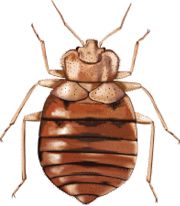
Bedbugs are not just a problem in hotels. Real people with real homes can get infestations. So what are bedbugs? Here in the United States, the common bedbug is reddish-brown, oval in shape, flattened, and have no wings. The have microscopic hairs over their bodies, which give them a banded appearance. Adults are between 1/8th to 3/16th of an inch in length, about the size of an apple seed. Newly-born bedbugs are somewhat translucent, and become more brown as they grow older.
They feed strictly on blood, therefore the most common place you will find them is on bedding, mattresses, and box springs. They are also found on furniture or other surfaces where humans are likely to spend a substantial amount of time. While they are not strictly nocturnal, they are more active at night, thus the bed is the most likely place you will see them. They move freely, but not so fast that you cannot see them when disturbed.
Like ticks and mosquitoes, they inject an anticoagulant and anesthetic, so you will not feel it when they bite. You will know you are bit when you start to itch, after your body starts to react to the saliva injected into your skin. They are often mistaken for mosquito bites, although they tend to last longer. They are also identified by the fact the bites are often observed in rows, presumably by the fact the bedbugs' feeding is disturbed. When this happens, they will move to a nearby spot to try again, therefore the welts appear to be in a row. It must be noted, however, that not all people (around 50%) have no physical reaction to the bites, so other means of detection may be necessary. They feed for about five minutes, after which they will go into hiding, not needing to feed for another five to ten days. Since they do not like light, this makes them difficult to detect as they are most active at night, usually just before dawn.
Bedbug bites respond well to hydrocortisone cream, helping reduce the swelling and itching associated with the bite. Another treatment involves the application of heat to the bites, via hot running water, a hot washcloth placed on the bites, or even by the use of a hairdryer. No one knows exactly why this happens, but there seems to be enough anecdotal evidence to give some credence to this first aid treatment. While typically more of an inconvenience than anything, bedbug bites have been known to cause anaphylactic shock, and in extreme cases, actual blood poisoning. Also, secondary infection may occur if the bites are excessively scratched.
So what can you do to help your clients rid their home of these pests? Well, one thing you can do is obvious—you can see them. If the family members do not react to the bites, they might not even know they have them, especially if you are the only ones who change linens. A common location to find them is in the seam of the piping material running along the top and bottom of most mattresses. However, they can be found anywhere in close proximity to sleeping quarters. Examples of such places include sofas, chairs, carpeting, futons, air mattresses, the bed frame itself, dressers, and nightstands. Cleaning such areas puts you in close proximity to these items, so your visual detection may be the only clue to their presence.
One telltale sign are the feces stains left by the bedbugs, which look like black dots or specks and vary in size. They can be distinguished from other types of spots by the fact they are composed of digested blood, so if they are rubbed by a wet finger or rag, they will smear. Diligence is required to spot these, and the use of white sheets and pillowcases can help in this detection. Other signs include blood stains on bedding, dead crushed bedbugs themselves, and the discarded outer layers of skin of the bedbugs, which is shed as they grow.
Treating for bedbugs can be difficult. Professional treatment is obviously an option, although other home treatments may be tried first. Keeping the area free of clutter can help, in that if you remove places for the bedbugs to hide, you can decrease their spread. Spraying hard surfaces with rubbing alcohol will kill bedbugs, although this is a temporary fix. Washing the bedding and drying them in a hot dryer (120 degrees) will kill the bedbugs and eggs.
There are many different treatments to treat for bedbugs, but for the residential cleaner, there is one proven method you can use. The use of steam generating equipment has been proven to be effective in killing bedbugs. In a matter of seconds, the extreme heat will kill them. Steam is able to penetrate deep into fibers and into nooks and crannies where bedbugs hide. This highly effective method lends itself well to a residential cleaning company's offerings, as the needed equipment is relatively inexpensive, and the results are effective. However, bedbugs are crafty creatures, and although you may be able to kill the ones living in a mattress, there may be more hiding in nearby areas. So we recommend you first alert your client to the problem and suggest they contact a professional who is trained to deal with removing bedbugs, as it may take several treatments to completely remove them.
Copyright © MyHouseCleaningBiz.com. All Rights Reserved
Would you like to reprint this article in your newsletter, on your web site, or on your blog? You sure can! As long as the article is complete and unaltered (including the author information below). Send a copy of the reprint to us by filling out the contact form, including the URL of the published article. (Make sure all links are live if placed in an e-zine, on a web site or blog.)
You must include the following information at the end of each article you reprint:
Copyright © MyHouseCleaningBiz.com. All Rights Reserved.
Jean Hanson helps owners of residential cleaning companies build a more profitable and successful cleaning business through her online community at MyHouseCleaningBiz.com. Read inspirational cleaning success stories at http://www.cleaning-success.com, and sign up for House Cleaning Profit Tips at //www.myhousecleaningbiz.com.