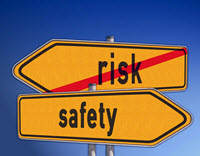
Reduce Workplace Health and Safety Risks: Improve Your Cleaning Methods
Cleaning technicians are exposed to a variety of conditions that can be detrimental to their health and well being.
The cleaning technician's daily activities and surroundings expose them to both environmental and physical risks. These risks can be unhealthy air quality in the customer's residence, outdated and poorly designed tools and equipment, chemical hazards, wet and slippery surfaces, and physically demanding activities to name just a few.
It's your job as the residential cleaning business owner to reduce the health and safety risks your cleaning technician's face by improving the methods they use to clean.
By executing some simple measures and precautions, you can keep cleaning technicians healthy, safe, and injury free.
Cleaning for Health and Safety
Cleaning technicians can be affected by the indoor air quality of the homes they clean.
For example, using feather dusters for dusting simply makes dust airborne and many cleaning technicians end up breathing in the particles as they're working. There are better ways to dust, and using microfiber cloths are a great alternative. The cloths capture the dust, rather than allowing it to spread and become airborne.
Keep dust and soil from becoming airborne by vacuuming hard floors instead of sweeping.
Most vacuums come with floor attachments, so not only is it faster, but it's healthier too. Today's modern vacuums feature filtration systems that also reduce dust and help to improve overall indoor air quality.
Use ergonomically designed tools and equipment to protect the body from injuries.
Provide cleaning technicians with power cleaning equipment that is ergonomically designed to minimize vibration, noise and user fatigue.
Today's manufacturers are also creating ergonomic cleaning tools and mops with ergonomic handles, adjustable height and grips, and 360 degree swiveling capabilities that help with natural range and reduction in repetitive motion.
Train cleaning technicians on the proper use of all tools and equipment.
Cleaning chemicals can be hazardous to cleaning technicians.
They can be inhaled, they can be accidentally sprayed into the eyes, and they can be absorbed into the skin. Cleaning technicians should have access to personal protective equipment such as protective eyewear, disposable gloves, and splash aprons to protect themselves from exposure.
To minimize exposure from inhaling fumes, use spray bottles and spritz the chemical onto the cleaning cloth rather than spraying it all over the surface about to be cleaned.
When working in a situation where there are a lot of airborne particles or VOC's (volatile organic compounds), face masks or respirators should be worn.
Proper training procedures will help to protect cleaning technicians from potential infections and harmful exposures.
Use microfibers cloths and mops to help reduce the amount of toxic chemicals being used by cleaning technicians.
Since microfiber cloths and mops capture soil, few if any chemicals are needed.
Slips, trips and falls.
Cleaning technicians are exposed to slippery and wet surfaces while performing cleaning tasks such as mopping, scrubbing floors and from unintentional spills. Slips, trips, and falls can cause very serious injuries.
It's easy to become complacent or hurry to get things done quicker when cleaning a residence and exercising caution usually takes a back seat. Pay close attention to the following tips and the workplace will be safer.
- Always wear rubber soled shoes. Never wear sandals or open toe shoes.
- Be aware of cords, rugs, toys and other objects on the floor that can cause a tripping hazard.
- Avoid carrying trash, equipment or heavy objects across wet floors.
- Avoid over-use of floor polish, as it can create a slippery floor.
- Pets should be kept in confined areas so you don't trip over them and so they can't get into your cleaning supplies.
- Do not leave cleaning tools, equipment or trash bags in hallways and do not block doorways.
- The outer edges of rugs or floor mats should lie flat on the floor.
- Always clean up spills immediately.
- If the homeowner is there, use wet floor signs.
Provide cleaning technicians with the proper expandable and angled tools to reach higher up and hard to reach areas. If ladder work is required, provide the appropriate instructional training and never allow them to stand on pails, sills, or chairs when cleaning these areas.
Musculoskeletal disorders
Back injuries and shoulder are the leading musculoskeletal disorder-causing injuries requiring time off work for cleaning technicians, according to BLS (Bureau of Labor Statistics).
Cleaning technician work is physically demanding. Most tasks include reaching, bending, pulling, pushing, climbing, stretching and frequent repetitive movements. As stated earlier, providing cleaning technicians with the proper tools and equipment will help to reduce the chances of aches, pains, and muscle/tissue damage.
Train cleaning technicians in proper bending, lifting, and posture techniques. Provide back support aids such as back braces and support belts for situations that require heavy lifting, loading and unloading of tools and equipment.
Have cleaning technicians report any pain or discomfort immediately to their team leader or management. Early detection will allow for recognition and correction of an existing issue or problem and can reduce the chances of further or future injuries.
Spending time improving employee training can go a long way towards reducing workplace health and safety risks. Keep yourself and your workers safe by following these simple tips and improving your cleaning methods.
 |
Are You Training Your Employees On Safety Procedures? OSHA and GHS Compliant Safety Training for Cleaning Companies is available as a downloadable PDF document. Included with the program is a Safety Exam and Certificate of Completion. |