House Cleaners: Don't Badmouth the Competition

After giving a price to a homeowner, you follow up hoping to close the deal. Instead, you find out they've decided to sign with your competitor. You know your company is far superior, and you're tempted to tell this person exactly why.
You land a new client who, during a cleaning visit, launches a litany of complaints about your fiercest competitor, who they fired before hiring you. You agree with everything they're saying and really want to chime in.
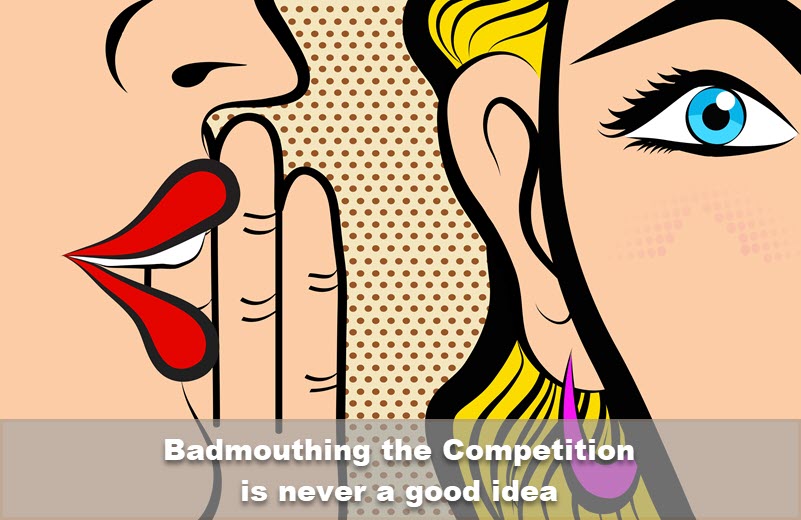
Bite your tongue. Badmouthing the competition is never a good idea. Here's why.
- It makes you look unprofessional
Ever go on a date with someone who spent the whole time trashing their ex? Or conduct a job interview with someone who didn't have a nice word to say about their former employers? You probably never saw them again.
Putting others down to make yourself look better is counterproductive. It actually makes you less likable, less trustworthy, and far less likely to land a client.
- It makes you seem negative
Most of us prefer to be around positive people we like. When you go on an angry or insulting tirade about the competition, that negative energy will turn people off. Homeowners would rather hire someone who will make their day better, than someone who might drag them down.
- It points to weakness
When someone denigrates others, we usually perceive their behavior as a weakness, not a strength. That date who talked badly about an ex or the interviewee who dissed their last boss probably sounded petty, jealous, or insecure.
Trying to discredit a competitor makes you appear fearful. By spending time focusing on their flaws instead of your unique selling proposition, you'll look uncertain about your own offer.
- It can damage your reputation
Sharing gossip or hurling insults isn't compatible with good character. It shows a lack of integrity, and those who hear you do it will lose trust in you (even if they were engaged in the conversation).
- You could get sued
Word travels fast. When you trash another company, there's a good chance it will eventually get back to them. It's unlikely, but that competitor could slap you with a defamation lawsuit.
Even if you have a general liability policy with Personal and Advertising Injury coverage, your business could be permanently damaged by a drawn-out suit or one where large damages are awarded. Also, imagine the negative public relations if you're found guilty.
- It may lead to return fire
The house cleaning industry is small enough that providers in any market know each other. If you talk badly about one, even privately, they all will probably hear about it. And that can open the door to retaliation in the form of others badmouthing you and your company.
Burning bridges will also close the door to possible opportunities. A competitor that closes shop won't refer its clientele to a company it doesn't trust. A company that offers complementary services, like window cleaning, won't reach out to collaborate with a company that has a reputation for backstabbing.
- It diminishes your value
Every second you waste gossiping about the competition is a second you aren't doing quality work for your customers or telling your prospects how you can help them. The best use of your time is thinking of how you can better serve your clientele. Or, use your sales calls to play up your strengths rather than the weaknesses of the competition.
If the customer starts gossiping about or bashing your competitor, quickly bring the conversation back to your company. Talk about your advantages, accomplishments, and accolades. This is how you demonstrate maturity, leadership, confidence, and trust.
- It can insult the homeowner
Badmouthing the competition can offend your client or prospect if they've previously hired them, are currently working with them, or are considering hiring them. In these cases, it calls their judgment into question and can come across as demeaning and insulting.
A Word About Marketing
It's not unusual or unethical to point out in your marketing materials or sales calls how you are different and better than the competition. The key to doing it well, though, is in speaking generally and not naming names.
Once you have a clear picture of your ideal client, you can begin to craft a marketing message that addresses how your company best meets the needs of customers. This involves figuring out your unique selling proposition (USP), or what differentiates you from all the other house cleaning companies in the marketplace.
Do your research and figure out how your company compares. It could be that you are less expensive, offer more comprehensive services, treat your clients like family, or something else entirely. Use this information to craft your USP.
It's okay to say something like, “We have a 98% satisfaction rating from our customers,” or “We offer 10 more services than the other guys in town.” Avoid singling out a single company, however, with a message like, “We have a better customer satisfaction rating than XYZ Cleaners.”
And whatever you do, never make negative, targeted attacks at a competitor in your marketing messaging or during a sales call. When you feel this temptation, remind yourself of the old adage, “if you don't have anything nice to say about somebody, then don't say anything at all.”
It's easy to get caught up in the moment during a sales call and agree when a prospect says something nasty about another cleaning company. Or to chime in without thinking it through when you see someone complain about a competitor on social media.
These actions are risky, though. The potential problems far outweigh any camaraderie it may create with the other person.
Even if a prospect chooses your competitor or a client ends their contract and hires another cleaning company, your integrity is worth more than a single client.

FREE VIDEO - Top 10 Lead Sources for Cleaning Business
Click here to get instant access!