How to Be an Effective Leader in Your Cleaning Business

Whether your business includes dozens of employees or it's just you and one other cleaner, teamwork is critical. Working together well improves efficiency and employee morale, both of which can positively affect the bottom line.
Any team is only as strong as its leader.
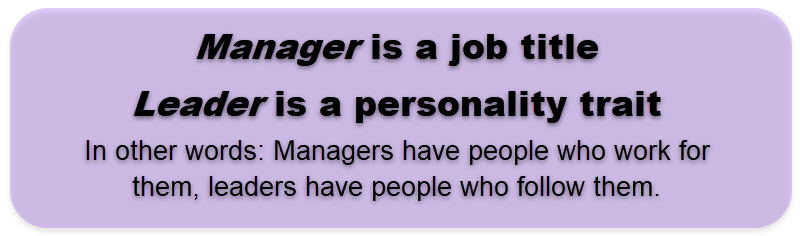
To be clear, leader and manager aren't synonyms, and it's important to understand the differences.
- A manager is responsible for making sure a team or project achieves its goal. They make plans, establish rules, tell people what to do, and measure progress and results.
- A leader gets a group of people to contribute to a common goal. They inspire, motivate, and empower others to take action.
Are You an Effective Leader?
As a business owner, you must be a leader. It's incumbent upon you to be the visionary who establishes the company's goals, and who inspires your entire team to work toward them. If your company is small, however, then you're likely also the manager. You must give employees the tools, training, and procedures necessary to meet the goals.
We see many cleaning business owners who excel at managing, but falter at leadership. Wondering if you have a leadership problem? Here are a few signs:
- Company growth is stagnant
- You're constantly reacting to some new problem
- You frequently think, “if you want it done right, do it yourself”
- You never have a day off
- Employees rarely suggest ideas for improving operations
- Employees do the bare minimum
- You care more about results than people
- You use fear or micromanage to keep productivity up
- Turnover is exceptionally high
Honestly assessing your weakness is difficult, but it's key to personal and professional growth. If you're ready to become the leader that your team—and company—needs, read on.
The Role of a Leader
As a leader, you (and your managers) need to do more than assign tasks and oversee production rates. You must create an environment in which employees can thrive, and a culture that encourages company growth.
To achieve these goals, a leader must fill three primary roles:
- Visionary: Leaders develop the long-term vision, and then map a course for getting there. They think strategically, always looking several steps ahead. They're also innovative, choosing an outside-the-box solution over “the way we've always done things.”
- Role model: Leaders set an example, demonstrating the qualities they want to see in their team. Acting with integrity develops trust. It's also critical in being the type of leader that others choose to follow.
- Coach: Through role modeling and training, leaders develop new leaders. They help team members unleash their abilities and reach their full potential.
Qualities of an Effective Leader
To fill all three of these important roles, a leader must possess several soft skills. Take your leadership from good to great by working to develop these traits in yourself and your management team.
1. Passion
When you care deeply about your work and the company's mission, your enthusiasm is contagious and inspiring. Conversely, when you are burned out or phoning it in, your team will lose respect in you and the organization.
2. Communication
Managers issue orders. Leaders, on the other hand, listen as much as they speak. They share information with, ask questions of, and solicit input from their team. Shifting from commands to two-way conversations is a key piece of inspiring and energizing employees.
3. Decisiveness
Effective leaders quickly but thoughtfully make difficult decisions. They see their choices through with conviction, but also take responsibility for and correct any error in judgment. These traits are essential in gaining the respect and trust of a team.
4. Accountability
Leaders own up to any mistake they make, treating it as an opportunity to learn, grow, and teach. They never blame others, justify their actions, or act as if nothing went wrong. In fact, the best leaders are humble enough to take more than their share of blame.
5. Motivating
Leaders also willingly accept less than their share of credit. They frequently celebrate team members' successes and recognize their contribution to the company's efforts. They also take the time to learn what works best to motivate and encourage each employee.
6. Generous
Leaders happily share their knowledge with and create learning opportunities for their employees. They know a team is only as strong as its weakest link, so they are eager to help their staff improve. Leaders also understand it is up to them to build the next generation of company leaders.
7. Empowering
When you trust your abilities as a trainer and mentor, you can allow your team more autonomy. Employees who feel a sense of ownership are far more likely to do better work and to be committed to the company, which equates to higher customer satisfaction and lower turnover.
How to Effectively Lead a Team
Use team-building techniques to improve how employees work together. This includes setting goals and priorities, and then strategically assigning tasks to the best team members. It's also up to the leader to provide training exercises that promote cooperation among employees, increase communication skills, and help to remove conflicts.
When coaching employees, leaders should provide specific feedback, be supportive and encouraging, and ask questions that encourage employees to find the answers such as, "What problem are you trying to solve?”
Once your employees are working together as a team, continue to motivate them to achieve team goals and not individual goals. As teams learn each individual's skills and weaknesses they will discover ways to do tasks faster, which leads to cost savings. These savings can then be passed along to team members in the forms of rewards or bonuses.
Give rewards such as pay raises, bonuses, and recognition, to individuals that engage fully as team members. Examples of effective team behaviors include: training others on the team, sharing information, working to resolve problems and issues as they arise, and mastering new skills to help the team work more efficiently.
Being part of a successful team is a satisfying experience that makes your employees feel like a valued part of your business. In turn, that reduces turnover and increases your profits. Developing your leadership skills isn't a feel-good activity; it's imperative to remain competitive in today's crowded residential cleaning market.

PDF Download - The program has 85 pages that are broken down into sections that you can use to train your team leaders over time.
Team Leader Training Program for Residential Cleaners
Are you tired of promoting employees into team leader positions only to be disappointed by their poor performance? Do you wonder why your best cleaners don't make good supervisors? Wouldn't it be great to have a comprehensive training program that you can use to groom your best employees for supervisory positions as well as provide ongoing training for your current team leaders?
We have the answer you have been looking for in The Team Leader Training Program which provides practical training for developing supervisory skills.
To learn more about this system and purchase, visit our store.