Proper Leather Care and Cleaning Methods - Part 1
Part One
Leather is one on the most expensive materials used for many of the goods we use today. Because of its high cost, it has an undeserved reputation for being difficult to clean. Granted, care is required to prevent damage, so proper steps are needed to ensure it will provide years of service. The two main concerns are that you do not want to dry out the leather or change its appearance. By learning some important facts, you can provide a valuable service to your clients.
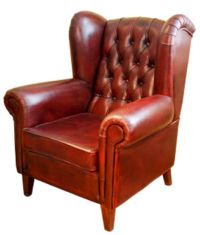
There are two types of leather, finished and unfinished. Finished leather is found on such items as furniture, jackets, luggage, and many shoes and boots. Unfinished leather makes up items such as baseball gloves, work boots, and anything made from suede. As a cleaning company, your duties will probably be confined to the cleaning and maintenance of leather furniture, so for the purposes of this article, we will confine our discussion to this topic.
All leather furniture is not created equal. There are variations in quality, processing, and finishing that require different methods of cleaning. Because of these differences, you should follow the manufacturer's recommendations whenever possible. Look for a tag on the furniture that may indicate cleaning procedure, or at least determine a manufacturer and check their website. It may also indicate the specific type of leather used.
The most common type of leather in modern furniture is called top-coat protected leather, sometimes called pigmented leather. It has a glossy or matte finish, and you cannot see the natural grain of the leather. The top coat makes the leather more durable, resistant to stains and scratches, easier to clean, and the uniform color is appealing to many people.
Suede can be easily identified by its distinctive nap, which is noticeable by its appearance. When rubbed in one direction, it becomes darker, then lighter when rubbed in the opposite direction. It is not often used for furniture, as it is prone to staining and is difficult to clean. It is also susceptible to fading from the sun. However, its soft texture makes it desirable on some high-end pieces.
Nubuck and aniline leather comes from hides that are pigment-free and then dyed to the desired color. This leather is desirable for those who like its appearance, as the natural grain and imperfections are still present. As with suede, these leathers are very absorbent, so they are prone to the same concerns of staining, difficulty of cleaning, and susceptibility to sunlight.
Aniline leather is considered on of the best types available, and is more expensive than top coat protected leather. Nubuck leather is a type of aniline leather, the only difference being it is processed to have a short nap (similar to suede but shorter). Semi-analine leather is another type, the difference being it is treated with a protective coating. This makes it less susceptible to staining and is easier to clean, but it does lose a bit of its "natural" appearance.
Leather can also be categorized by the quality of the hide. Bonded leather is the least expensive and least durable, followed by split-grain, top grain, and finally the most expensive being full-grain leather. Each has their advantages and disadvantages in terms of cost, durability, and aesthetic appeal.
Top coat protected leather is finished, where suede, nuback, and aniline is unfinished, although may be treated. To determine leather is finished or unfinished, take a small amount of leather cleaner (foam) and place on the furniture. If it is absorbed right away, it is unfinished. If it stays on the surface, it is finished. The faster it soaks in indicates the degree to which it is finished. Using water to do this test may damage certain unfinished leathers, so using leather cleaner is advised.
Now that we've described different types of leather, next week in part 2 of our article, we will discuss how to clean and care for leather.
Copyright (c) The Janitorial Store (TM)
Thoughts or comments? Please consider posting them to the discussion forum
Would you like to reprint this article in your newsletter, on your web site, or on your blog? You sure can! As long as the article is complete and unaltered (including the author information below). Send a copy of the reprint to us by filling out the contact form, including the URL of the published article. (Make sure all links are live if placed in an e-zine, on a web site or blog.)
You must include the following information at the end of each article you reprint:
Copyright TheJanitorialStore.com. All Rights Reserved.
Steve Hanson helps owners of small cleaning companies build a more profitable and successful cleaning business through his online community at TheJanitorialStore.com. Read inspirational cleaning success stories at http://www.cleaning-success.com,
and sign up for weekly cleaning tips at http://www.TheJanitorialStore.com.