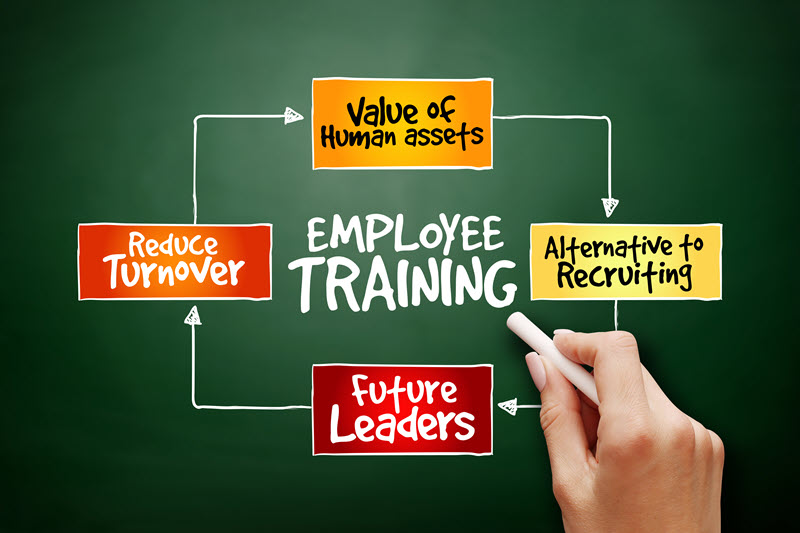
A Well Trained Cleaning Team Reduces Employee Turnover

Employee turnover can make or break a residential cleaning company. In an industry with standard rates as high as 300%, it's critical to find ways to keep employees longer. By reducing your turnover, you can spend less on hiring and onboarding and, in turn, hold onto more of your profits.
If you're struggling with costly employee turnover, what can you do?
The most important thing you can do is hire applicants who have a good general attitude. You can teach almost anyone how to clean, but it's nearly impossible to change someone's character. Choose employees who value dependability, friendliness, and hard work—and then train them on job-specific skills.
That brings us to another way business owners can reduce turnover—providing quality training. Businesses that invest $1,500 or more per employee per year on training see 24 percent higher profit margins than businesses that invest less, according to a study from HR Magazine. Even if you can't afford to spend that much, investing what you can in training is money well spent.
Not sure what you should be spending on training? Check out these Benefit-Cost Ratio examples.
An employee who feels confident in his skills and supported by his company is typically happier in his job and is far less likely to quit. When an employee knows precisely what he or she is supposed to do and how to do it, there is a sense of belonging, purpose, and achievement, which is lacking when training is deficient.
Lower employee turnover rates should be incentive enough to invest in training, but there are at least a couple other benefits.
- A well-trained cleaning team is safer. They know how to properly use tools as well as signage for dangerous situations and materials.
- They also understand equipment maintenance and proper storage of cleaning materials. Over time, this reduces illnesses and injuries and associated healthcare and worker's compensation costs.
- When your employees are well trained, they'll better represent your company by doing quality work and treating customers well. This has a direct, positive effect on customer retention and referral rates for your brand.
The Keys to Training Employees
Once you hire an employee, it's your responsibility to provide them with the training needed to develop the specific skills necessary for properly performing their job.
Your procedures manual, supervisors, and veteran employees can help with training as part of your onboarding process. Before you dive into introductory training, however, get clear about who you're training.
What knowledge do these new employees already possess? Are they new cleaners or seasoned professionals? Beginners offer a blank slate for learning new skills, but their training can be time-consuming. Experienced workers, on the other hand, can bring both valuable skills as well as occasional poor work habits, so it's good to know the situation early on.
The most effective training programs are those that accommodate each learner's needs and learning styles. Most people like a combination of verbal and visual training (including hands-on instruction), which is why the best training programs include all four of the following:
1. Tell: As you go through the training program, explain how each task is done from beginning to end. Also, let them know why they're doing each part of the job. If they don't understand the repercussions of not doing it your way, they may choose shortcuts or do it their way.
2. Show: Either show how to perform each task by having trainees watch you, or have them view a training video that demonstrates each task. Show them and then let them know why the task should be performed that way, and what happens if the sequence isn't followed.
3. Do: Have the employee perform the task as you watch. Give positive reinforcement for doing it right and offer constructive feedback when needed. Encourage the employee to ask questions (they more they ask, the faster they'll learn).
4. Review: Observe the employee on the job to see whether they're properly using their newly learned skills and offer constructive feedback. This reinforces their knowledge and allows you to be sure your standards are being met without hearing a complaint from your customer first.
Online training offers many benefits. MyHouseCleaningBiz.com offers online training through Premium Membership and access to Clean Smart University, an online learning management system (LMS) that is particularly useful for in-depth training on topics that include procedural training and safety training.
Employee Training Never Ends
Unfortunately, many companies consider training complete once employees are comfortable with their day-to-day responsibilities. In fact, it's important to continue offering learning opportunities throughout their employment.
Pair new employees with seasoned staff members. This allows the rookies to get ongoing training and support from someone with more experience. As your team grows, continue to mix up the cleaning pairs to provide more support to newbies and more responsibility to your pros who are ready to step into a training role.
At least once a year, provide all employees a refresher training session where you revisit safety guidelines and discuss any changes to your cleaning best practices.
Also, think about what skills you can develop within your team. Which of your employees might enjoy learning how to do upholstery and carpet cleaning, window washing, marble care, or other specialized services? Offering this type of continuing education gives employees the opportunity for great responsibility and allows you to diversify the services you can offer.
Likewise, which of your employees show potential for moving into a leadership position? As your business continues to grow, you'll need these high-potential employees to step up and help you expand. Begin grooming them early by offering training in areas related to business management or team leadership.
Whether you develop your own program or invest in a high-quality program like Clean Smart University, effective training is critical for continued growth of a house cleaning company. A well-trained cleaning team not only reduces costly staff turnover among, but also heightens productivity and lowers overall costs.